Erasmus+ Project Unlock
Project Unlock is an Erasmus+ project coordinated by the Malta Employers’ Association, in partnership with Cross Cultural International Foundation (CCIF Malta) and Check-In Association (Portugal).
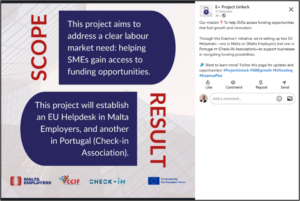
The aim of this project was to address a clear labour market need: helping SMEs gain access to the funding opportunities available to them. In this regard, two EU Helpdesks were set up, one within the Malta Employers Association (in Malta) and one with Check-in Association (in Portugal). Each target different audiences and offers a mix of different methods of support, based on their different needs.
The project focused on launching and promoting the EU Helpdesks in order to establish the service and engage target audience. Primarily, this project undertook extensive research to determine the specific needs of the project’s target groups in relation to funding. Subsequently, a Manual of Procedures (MOP) was created to standardise, document, and communicate how the EU Helpdesk should function.
A Bi-lateral Agreement was also signed between Malta Employers and CCIF to establish a framework of cooperation between the two organisations, providing CCIF’s business members with access to the Malta Employers’ EU Helpdesk service.
Lastly, several Information Sessions (online webinar) and a Training Sessions (a 3-hr in person capacity building event) were organised, strengthening the awareness, knowledge and capacity of participants in relation to local and EU Funding opportunities.
Following the conclusion of the project, the EU Helpdesks shall continue to operate on a permanent basis.
What is an EU Helpdesk?
An EU Helpdesk functions as a comprehensive one-stop-shop for information, guidance, and support in relation to funding. Its primary role is to simplify access to the often complex landscape of EU and national funding opportunities by providing clear, reliable, and up-to-date information.
The scope of an EU Helpdesk is to assist individuals and organisations in gaining access to funding opportunities available to them, by supporting them in identifying relevant schemes, understanding eligibility criteria, and navigating the application process.
Click here to visit the EU Funding Helpdesk at Malta Employers.
What were the project objectives?
- Set up and promote the EU Helpdesk in Malta (Malta Employers) and Portugal (Check-in).
- Identify members’ knowledge gaps and needs through partner-specific surveys.
- Collaboratively develop an EU Helpdesk Manual of Procedures through a 4-day TPM in Portugal.
- Sign a bilateral agreement between CCIF and Malta Employers to provide migrant entrepreneurs access to Malta Employers’ EU Helpdesk.
- Organise 3 information sessions, 3 training sessions, and 2 launch events.
- Promote the project and MOP as a model for other social partners and NGOs to adopt.
Resources:
Flowchart

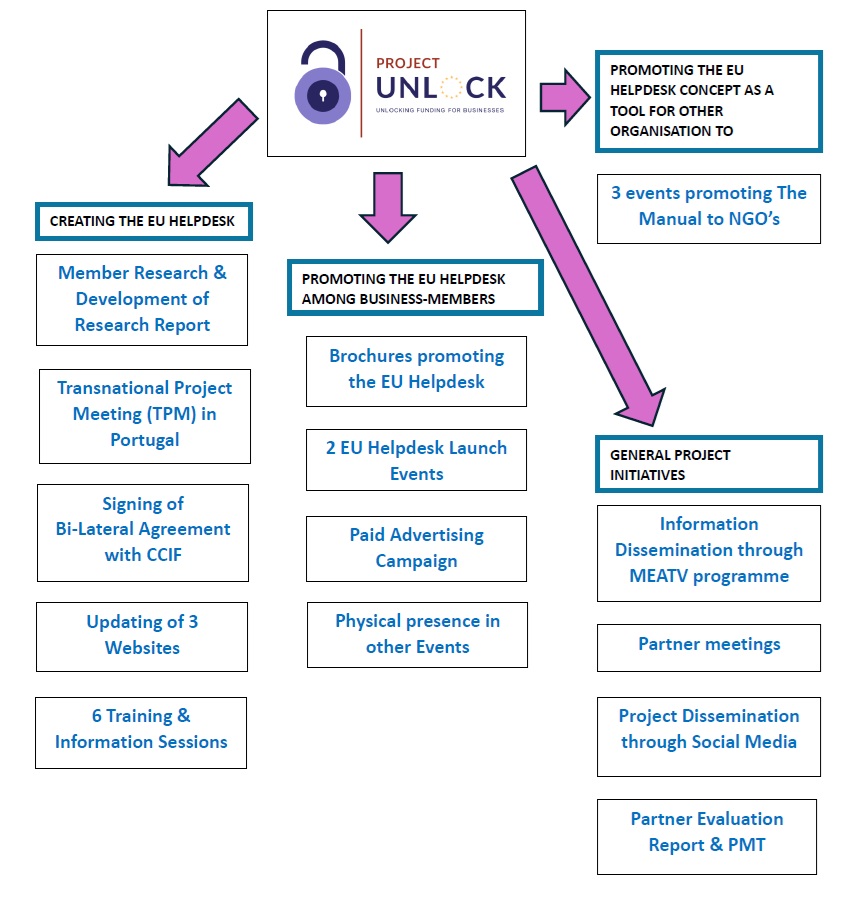
Project Brief
Overview
Project Unlock aimed to establish a self-financing source of tangible information for entrepreneurs, SMEs and individuals with entrepreneurial ambitions in both Malta and Portugal. The initiative supports these entities in successfully identifying, access, apply for, and manage local and European Union funding opportunities. It is demand-driven and responds directly to a well-documented labour market challenge whereby many SMEs, despite being eligible for substantial national and EU funding programmes, fail to benefit from them due to limited awareness, insufficient expertise, administrative complexity and inadequate internal resources.
The project is a collaborative initiative between the Malta Employers, CCIF Malta, and Check-in Portugal, combining the expertise of employer representation, migrant integration, youth development, and European project implementation. Through this partnership, the project sought not only to establish a permanent support structure but also to create a replicable model that can be adopted by other organisations throughout Europe.
The project aligns with several European priorities, including the EU SME Strategy, Erasmus+ objectives relating to vocational education and adult learning, entrepreneurship development, social inclusion, and improving access to finance for businesses.
Addressing a Significant Labour Market Need
Across Europe and especially in Malta, SMEs represent the backbone of economic growth, innovation and employment. Despite the wide availability of European and national funding programmes designed to stimulate competitiveness, digitalisation, innovation, sustainability and internationalisation, many SMEs struggle to successfully access these opportunities.
The project identifies three principal barriers:
- Limited awareness of available funding opportunities.
- Limited capacity to prepare competitive funding applications and manage funded projects.
- Lack of dedicated personnel capable of identifying and administering funding opportunities.
Due to their small size and the low probability of success, businesses are often unable to justify the engagement of specialised grant writers or project managers in the pursuit of funding. Consequently, many funding opportunities remain untapped despite significant business needs.
In this light, Project Unlock proposed a practical solution through the establishment of an EU Helpdesk offering centralised expertise and ongoing support to SMEs and entrepreneurs.
Rather than requiring every organisation to develop its own internal funding expertise, the EU Helpdesk provides a shared service available to members of the partner organisations.
The Three Core Pillars of the EU Helpdesk
The EU Helpdesk operates around three complementary service pillars.
- INFORM
The first pillar focuses on increasing awareness.
The EU Helpdesk continuously monitors national and European funding opportunities, filters them and communicates them to members through newsletters, information sessions, online resources and individual consultations.
Businesses receive guidance on:
- available funding programmes;
- eligibility criteria;
- application deadlines;
- funding priorities;
- project requirements;
- suitable funding schemes according to organisational needs.
The objective is to remove the information gap that currently prevents many SMEs from exploring funding opportunities.
- ASSIST
The second pillar provides practical support.
Rather than merely informing organisations about funding opportunities, the EU Helpdesk actively assists members throughout the project lifecycle.
Support includes:
- developing project ideas;
- identifying suitable calls;
- partnership development;
- project implementation guidance;
- reporting requirements;
- compliance with funding rules.
This service significantly reduces the administrative burden placed on SMEs while increasing the likelihood of successful funding applications.
- ENGAGE
The third pillar focuses on capacity building.
The Helpdesk seeks not simply to provide services but to build long-term organisational competence.
This will be achieved through:
- structured training programmes;
- practical workshops;
- awareness sessions;
- networking opportunities.
Participants will progressively develop the knowledge and confidence required to engage independently with future funding programmes.
Project Objectives
The project has several strategic objectives that collectively establish the EU Helpdesk as a permanent support service.
These include:
- establishing fully operational EU Helpdesks in Malta and Portugal;
- promoting the service among SMEs, entrepreneurs and partner members;
- identifying users’ knowledge gaps through research and surveys;
- jointly developing a comprehensive Manual of Procedures (MOP);
- strengthening collaboration through a bilateral agreement between partners;
- delivering awareness and training activities;
- promoting the Helpdesk model as a European best practice.
Rather than terminating with the pertinent Erasmus+ funding, the project is designed to create a sustainable service that remains in place indefinitely.
EU Helpdesk Manual
Click here to view the Manual.
EU Helpdesk MOP
Click here to view the MOP.
Research Report
Scope of this Particular Action:
This activity successfully analysed the needs of our target groups in relation to funding, laying the ground-work for the establishment of two EU Helpdesks in this project. This activity produced the project output: Research Report. This report outlines key insights and recommendations derived from 3 surveys conducted by the partners (Malta Employers, Check-IN and CCIF) and distributed amongst their members. Ultimately, the key findings and recommendations outlined in this report guided the next steps in the design and implementation of the EU Helpdesks in Malta and Portugal.
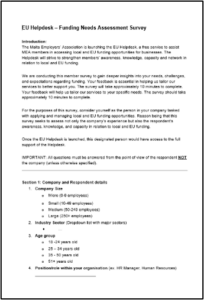
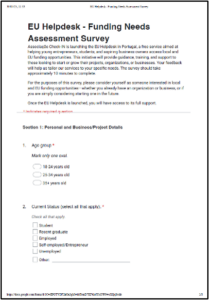
The project set as its first activity the collection of primary data to determine the needs and challenges faced by the target users. In this regard, project partners individually commissioned an online survey amongst their members, aiming to assess their levels of awareness, knowledge, and experience in relation to local and EU funding opportunities. The results from this research played a crucial role in the development of the EU Helpdesk, ensuring that its services are based on the identified needs and priorities of target users.
Initially, a partner meeting was called. During the meeting we discussed the logistics of this activity, brainstormed some common questions to answer, and planned for it to be implemented by end of March. Post meeting, Malta Employers to sent the baseline questionnaire to CCIF & Check-in, for them to include personalised questions based on their different target groups and potential services to be offered.
Each partner then set out to implement this activity – sending an online survey using survey monkey or google forms. The survey questions included mostly close-ended questions, with yes/no or multiple-choice answers provided. A few open-ended questions were included only to allow for the possibility of additional comments or feedback. Telephone or face-to-face interviews were not required – partners managed to gather enough data to satisfy a representative sample. Each partner was responsible for data collection and analysis. Project partners then forwarded all the data gathered to the project leaders to develop the final Research Report.
Participation Statistics:
Malta Employers targeted its members who are primarily registered companies and employers. The individuals who filled in the surveys worked in the following departments HR, Admin/Operations, and Accounts/Finance. To ensure broad outreach, the survey was distributed through a targeted email mailshot to 700+ member organisations across various sectors. The questionnaire was accessible for a period of 15 days, providing ample time for participants to respond at their convenience. Over the course of this period, a total of 100 completed responses were received, representing a response rate of approximately 13.4%.
Check-in reached 24% of respondents which were aged 25–34, 64% of respondents which were aged 35 and older. The 25-34 age range corresponds with the typical age range of early-stage entrepreneurs and professionals looking to explore new opportunities. Employment status varied, with 64% employed, 24% self-employed, and a smaller portion (8%) unemployed.
CCIF targeted a specific group of 20 Third Country Nationals (TCNs). More specifically, the survey targeted private sector members, focusing on their familiarity with funding options, existing challenges, and preferences for support services.
Outcome:
A 40-page Research Report was developed by Malta Employers. The report presents the research the findings and analysis of all 3 surveys conducted. The report provides actionable recommendations which were later used in the development of second project output: the Manual of Procedures (MOP). Reason being that the report includes
confidential information about the target groups, i.e. partners’ members.
In terms of dissemination, each partner promoted their results and findings using their social media pages. Dedicated posts were also posted on the project’s Facebook and linked-in pages.
Follow-up Actions & Results:
- The expected result is that the data gathered shows the specific needs of the identified target groups.
- The EU Helpdesks will have a clear understanding on their target audience.
- The project will also undertake 3 information sessions and 3 training events. Both these activities will be based on the data gathered.
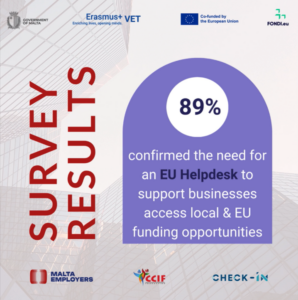
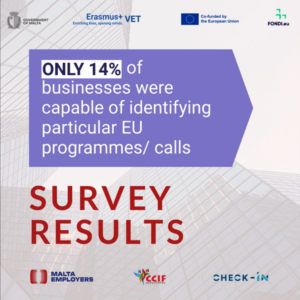
Each partner issued an online survey with specific questions designed to determine the needs of their target groups in relation to funding. For example, for the EU Helpdesk at Malta Employers research helped identify the lack of awareness of members in relation to EU funds more so than local funds.
Therefore, the recommendation for the Helpdesk was to focus more on promotion of EU funds rather than local funds. Moreover, this allowed the partners to plan for an EU Helpdesk that is designed to cater to the needs of their target groups. This was reflected in the development of the MOP, which outlines specific services for support to members based on their identified needs.
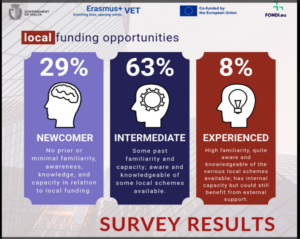
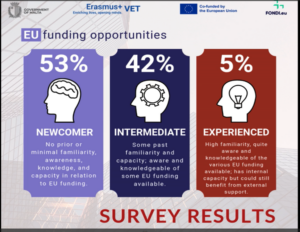
Lastly, the surveys sought to determine respondents’ level of interest, awareness, experience, knowledge, and capacity in relation to both local and EU funding. The research successfully determined the portion of members that could be classified as ‘newcomers’, ‘intermediates’, or ‘experienced’.
Later in the project, these findings allowed us to tailor project activities 5 and 6. The surveys asked respondents to rank a list of potential topics based on their relevance and interest. Thus, when organising the information session and the training session the topic/theme was already identified and confirmed.
Transnational Project Meeting (TPM) in Portugal
- Development of the Manual of Procedures
- Development of the Eu Helpdesk Manual
Scope of this Particular Action:
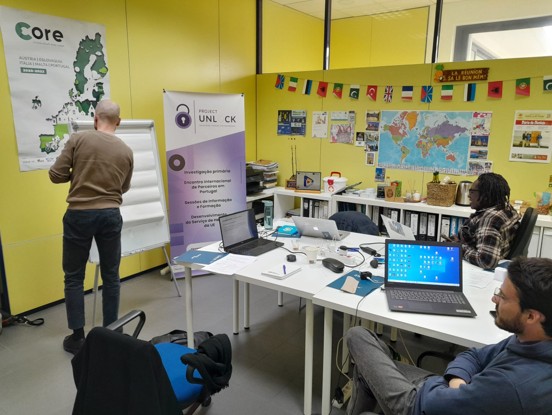
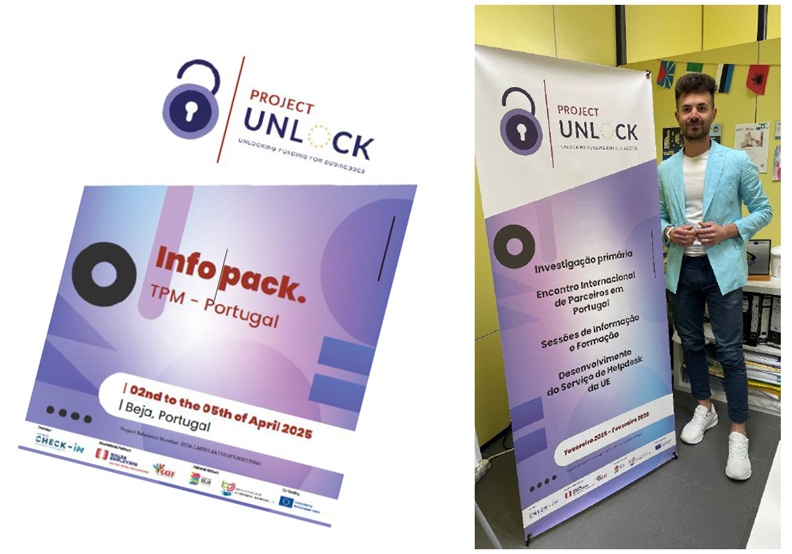
In this activity, a TPM took place where the key areas of the MOP were discussed and established. Prior to the TPM an online partner meeting served to discuss and plan logistics and other details for our upcoming TPM. Check-in was to host, whilst CCIF and Malta Employers were to travel. Dates were set and tasks per partner were agreed. Check-in, in preparation, created an Infopack with information for travelling participants and also commissioned a roll-up banner.
After the TPM, another partner meeting was called to finalise the main points discussed in the TPM and finalising the details for Malta Employers to create the MOP document. The purpose of an MOP is to is to standardise, document, and communicate how a service, such as an EU Helpdesk, should operate; ensuring consistency, accountability, and quality in their delivery. The development of these MOPs ensured the correct establishment of the EU Helpdesks during this project and their continued operation beyond the project’s completion.
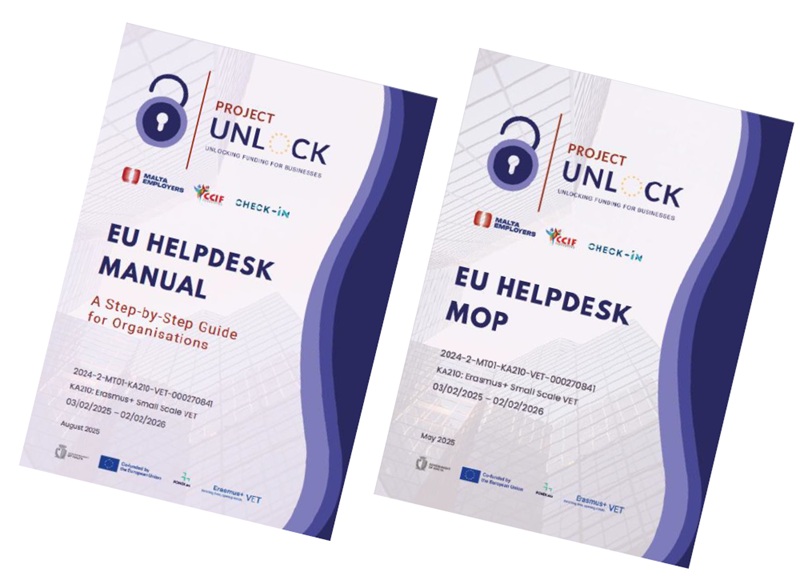
But the work didn’t stop there. Realising that the MOP again relied and therefore contained sensitive data relating to the partners’ members, the document could not be made public. Promote the project and MOP as a model for other social partners and NGOs to adopt. In response, a separate document was created, titled: EU Helpdesk Manual – A Step-by-Step Guide for Organisations. This document was created with this objective in mind – that is to teach other organisations how to create their own EU Helpdesk within their own organisations to support their members in gaining access to funding.
In fact, this Manual presents a step-by-step guide on how one can establish an EU Helpdesk within their organisation. More specifically, the manual outlines how one can go about designing their own MOP, including information on the preparatory work, operational guidelines, communication strategy, and the monitoring & evaluation plan needed for establishing one’s own the EU Helpdesk within their organisation.
Participation Statistics:
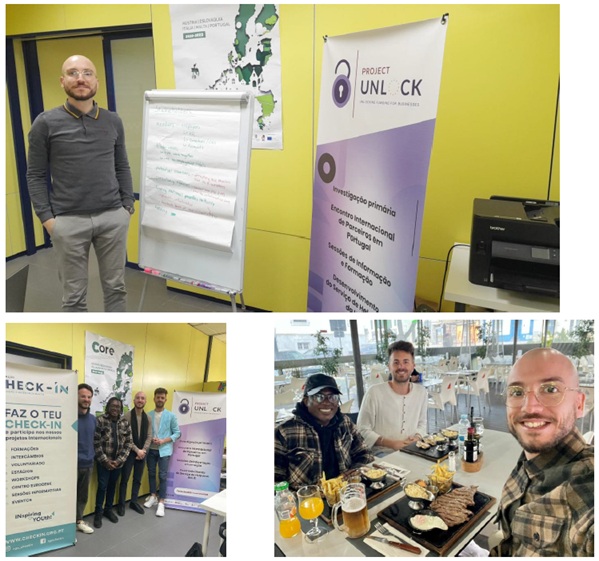
1 representative from Malta Employers and 1 representative from CCIF travelled to Beja, Portugal for a transnational project meeting hosted by 2 representatives from Check-in. The TPM lasted 4-days including travel days. During the TPM we laid the ground work on how the two EU Helpdesk will operate based on the research findings which in turn determined the needs of the potential target groups. In this regard, partners worked together to analyse the key areas for both Helpdesks. Flip charts were used to jot down points of the key areas for use in the creation of the final MOP document.
Outcome:
MOP
An MOP was developed for each helpdesk, dictating how the helpdesk should operate. The MOP is based on the findings from the research conducted amongst members, ensures that the Helpdesks will continue to operate efficiently and effectively, whilst remaining relevant to the needs of the target groups.
Manual
This initiative was undertaken to fulfil Project objective: 6. Promote the project and MOP as a model for other social partners and NGOs to adopt
The Manual for the EU Helpdesk was developed as a tool for other organisations to use. The manual outlines a step by step procedure for organisations to establish their own helpdesks within their organisation and start providing such funding support to their members.
These resources not only showcase the successful setup and piloting of the Helpdesks but also provide a practical and transferable model for other organisations wishing to replicate similar services. In this regard, the project extends its impact beyond the immediate partnership, contributing to broader capacity-building among social partners and NGOs.
Follow-up Actions & Results:
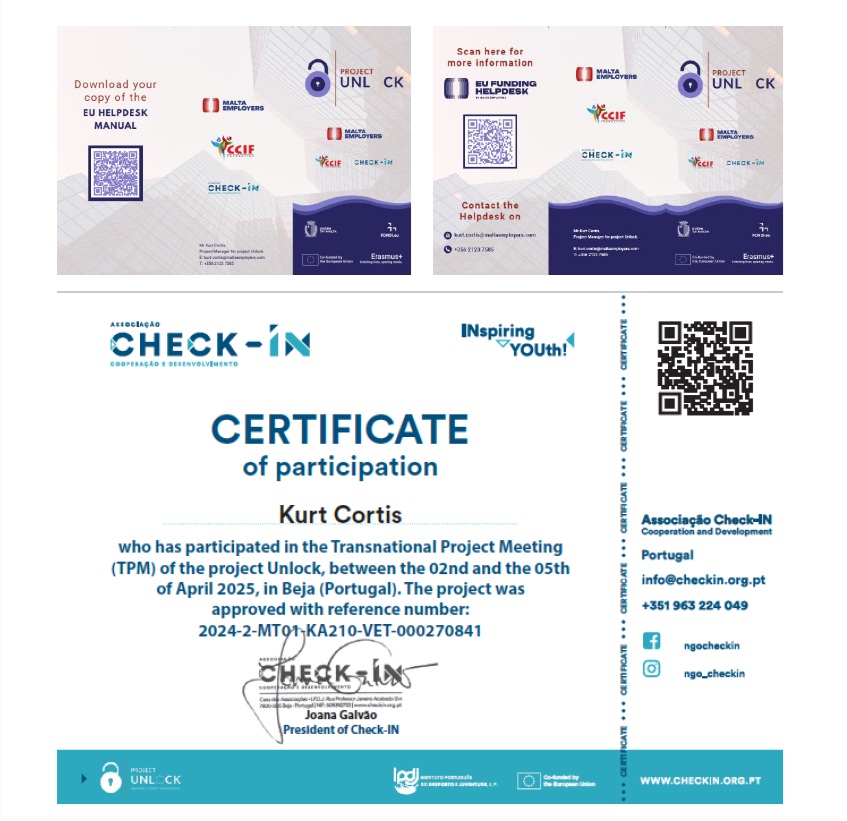
Two brochures were designed, developed, and distributed in this project. The first aimed to promote the EU Helpdesk Manual and raise awareness amongst social partners and NGOs, while the second focused on promoting the newly established EU Helpdesk at Malta Employers, targeting its membership.
50 copies of the brochure promoting the Manual were printed and distributed during CCIF’s in-person event targeting NGOs. In addition, a digital version of the brochure was shared more widely by means of a mailshot, through the support of SGI Europe, reaching its network of national social partners across Europe. 100 copies of the other brochure were printed.
These were initially distributed during the press conference launching the EU Helpdesk. Following the project’s completion, the brochures have continued to feature at all Malta Employers’ in-person events, ensuring ongoing visibility and engagement.
Three events promoting the Manual to NGOs and social partners were organised. Each partner organised an event to promote the EU Helpdesk Manual to other NGOs and social partners. The scope of this project initiative was to encourage other organisations to establish an EU Helpdesk within their own organisation to support their members further.
SGI Europe’s newsletter: In line with the project objective to promote the Manual as a tool for other organisations to set up their own EU Helpdesks, the Malta Employers planned a second dissemination initiative with SGI Europe targeting their members, which include national social partners across Europe.
Signing of bi-lateral Agreement with Cross Cultural International Foundation (CCIF)
Scope of this Particular Action:
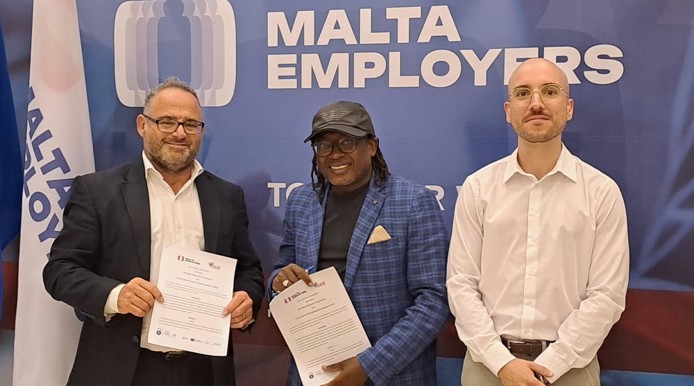
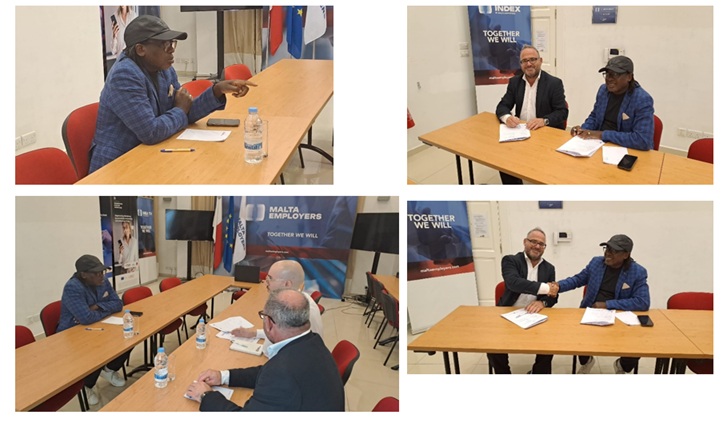
This activity involved the creation, signing and promotion of the bi-lateral agreement between project partners Malta Employers Association and CCIF. The agreement grants access to the EU Helpdesk at Malta Employers, to CCIF’s business community, which includes migrants and TCNs who are also business owners, employers or registered as self employed.
The main aim of this initiative was to allow such vulnerable individuals to gain access to the EU Helpdesk at Malta Employers and receive valuable business support without having to become a paying member of the association – effectively eliminating the barrier micros SMEs face and ultimately allowing those most vulnerable individuals access to valuable business support.
Representatives from CCIF and Malta Employers met to formally sign the agreement at the Malta Employers’ premises at South Street, Valletta. The signing ceremony was documented with a series of photographs, and a press release was subsequently prepared to mark the occasion.
Outcome:
The EU Helpdesk at Malta Employers (Malta): Housed within the Malta Employers’ Main premisses, this Helpdesk provides free support to all paying members, particularly SMEs and large enterprises, on local and EU funding opportunities. Additionally, by way of a bi-lateral agreement established under the project, the Helpdesk also extends its services to select business members of CCIF.
Importantly, the project has laid the foundations for long-term sustainability. The integration of the Helpdesk services within partner organisations, supported by internal commitment and external partnerships such as the bi-lateral agreement, ensures that the benefits of the project will continue well beyond its conclusion.
Press Release for Bi-Lateral Agreement: Malta’s most popular English-newspaper, the Times of Malta, issued a feature on the signing ceremony. Furthermore, the event was further promoted on social media, namely via the project’s social media as well as on partner’s social media platforms.
Follow-up Actions & Results:
- The agreement increased collaboration and cooperation between the two organisations.
- Both Parties agreed to maintain open communication and dialogue, with the possibility of developing joint initiatives in the future should mutual interests and opportunities arise.
- Both Parties actively are seeking to involve one another in projects, whether EU-funded or otherwise, insofar as such initiatives address topics of mutual interest and have the potential to add value to the objectives and outcomes of the project.
- The Association is reserving the right to request CCIF’s technical input in the drawing up of policy positions on matters that fall directly within CCIF’s scope of expertise.
Having issued the press release to all media outlets, highly reputable news outlets the Times of Malta and Business Today included our feature on their online news portals. See below:
https://timesofmalta.com/article/malta-employers-association-signs-eufunded-agreement-ccif.1117088
https://www.businesstoday.com.mt/business/business/3038/bilateral_agreement_between_malta_employers_and_ccif_signed
Updating of three Websites
Scope of this Particular Action:
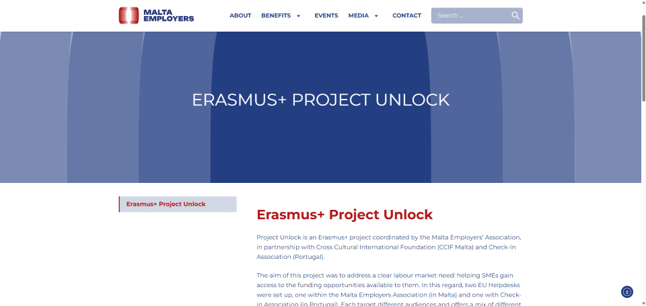
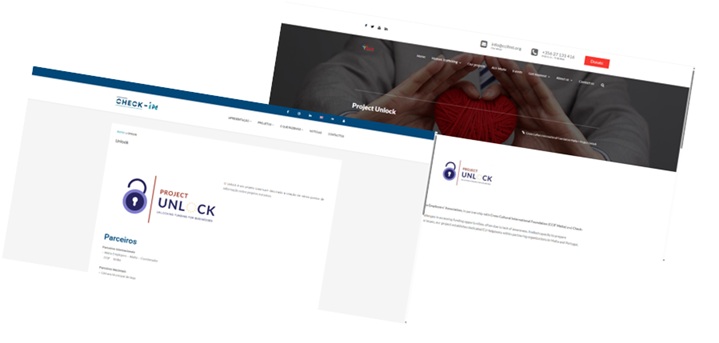
In this activity, each partner was tasked with updating their organisation’s website to include information about the project Unlock and most importantly to include information about the newly founded EU Helpdesks. More specifically, partners were instructed to provide the important project information, as depicted below:
- Malta Employers: information on the project Unlock + information on the EU Helpdesk at Malta Employers.
- CCIF: information on the project Unlock + information on the EU Helpdesk at Malta Employers + information on the Bi-lateral Agreement.
- Check-in: information on the project Unlock + information on the EU Helpdesk at Check-In.
The aim of this activity was to provide members with a centralised and reliable source of information. The webpages were designed to encourage engagement with the EU Helpdesk by sparking interest in funding opportunities and ultimately guiding members to make use of the free support service available.
Digital transformation was supported through the use of shared OneDrive systems for project management, online partner meetings via Zoom and Microsoft Teams, online surveys, digital reporting tools and an online Dissemination Register. Partners also updated their websites with dedicated project and Helpdesk pages and used Facebook, LinkedIn, Instagram and TikTok to promote results and opportunities, increasing accessibility and outreach through digital means.
Outcome:
The webpages served to promote the project, EU funding programmes, and the European Union more broadly. Sections, such as news and upcoming events further enhance partners’ ability to engage with their members, enabling them to better inform and support their target groups. Partners first discussed the upcoming task during a partner meeting. The meeting served to brainstorm the essential information to promote on the websites. Subsequently, partners were required to plan, outline and develop the content for their new webpage.
Follow-up Actions & Results:
As a result of this activity, each partner have updated their organisation’s website to feature the newly introduced service.
Members now have a primary source of information. The aim of the webpages is to entice communication with the EU Helpdesk – to intrigue their interest in funding opportunities and ultimately benefit from a free service being provided. The webpages also serve to promote the project, EU funds and the EU in general. The news & upcoming events will allow partners to engage better with their members, better assisting these target groups.
- Malta Employers (EU Helpdesk page) – https://maltaemployers.com/eu-funding-helpdesk/
- Malta Employers (project page) – https://maltaemployers.com/project/erasmus-project-unlock/
- CCIF – https://ccifmt.org/project-unlock/
- Check-in – https://checkin.org.pt/unlock/
Training and Information Sessions
Scope of this Particular Action:
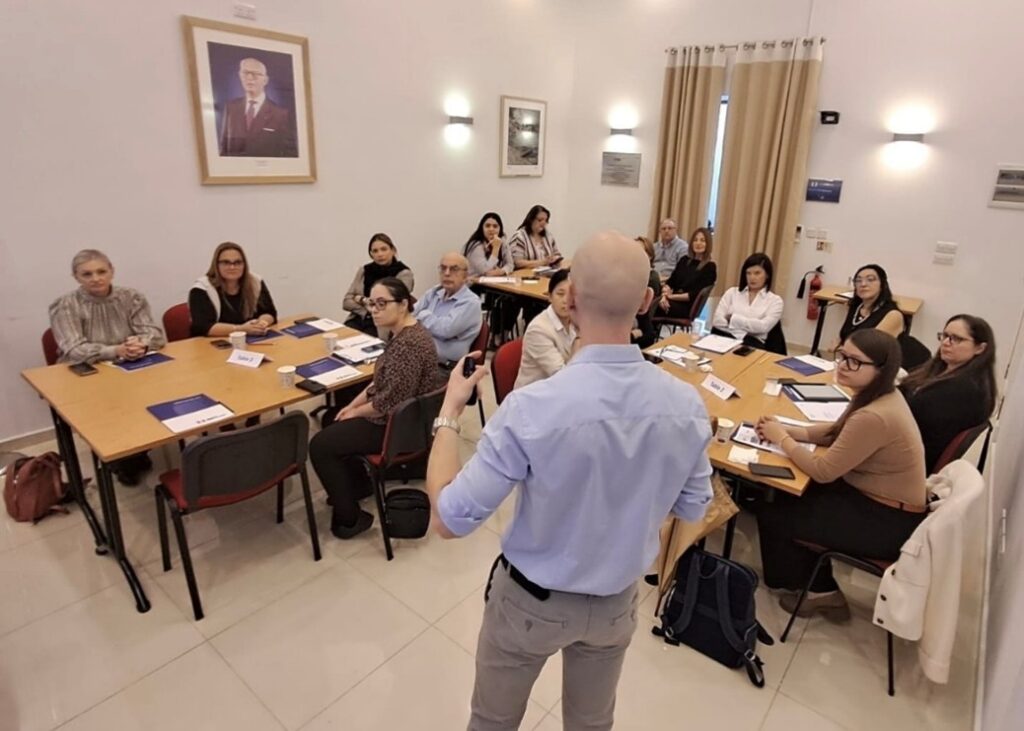
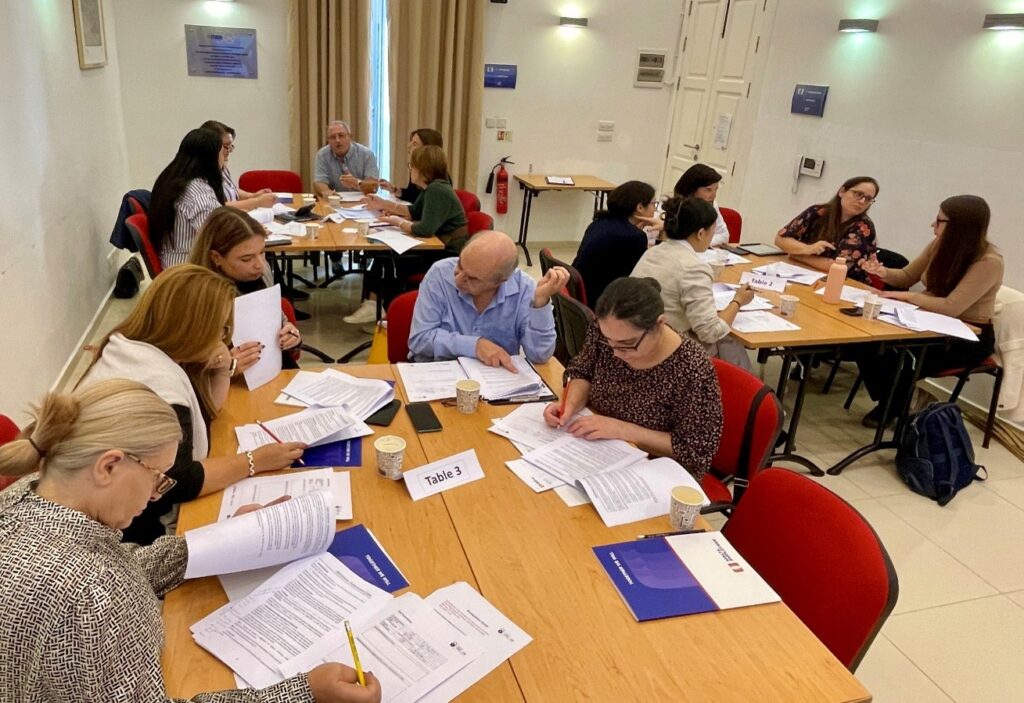
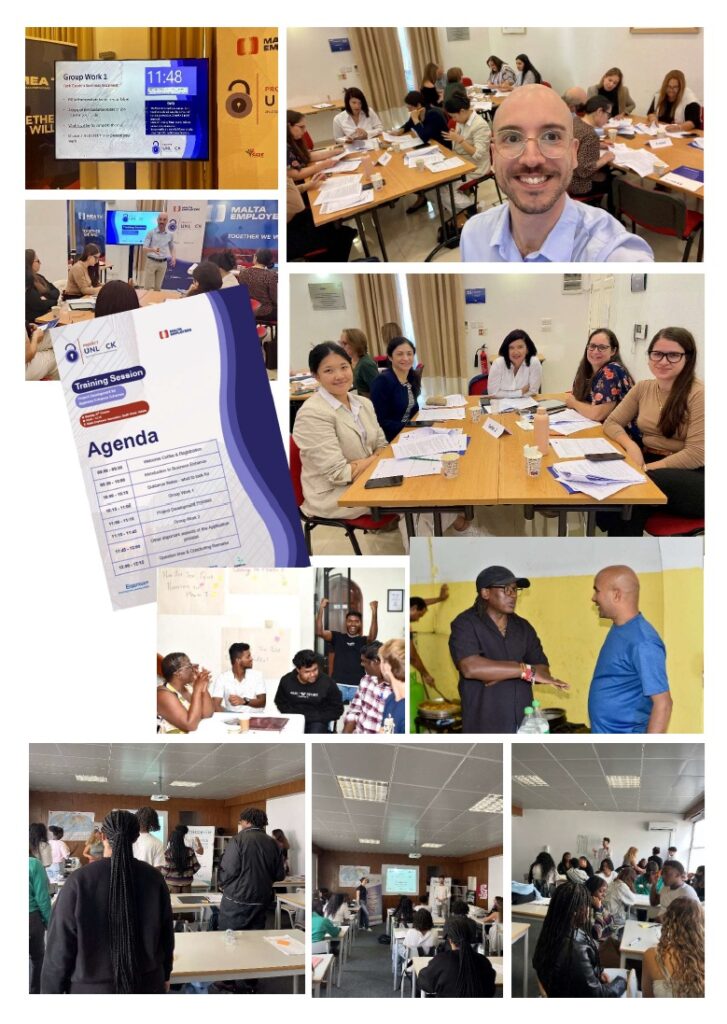
In this activity, each partner planned and organised an online information session and a physical Training Session with the intended target groups.
Initially, an online partner meeting was held. Partners were informed of the upcoming project activities: no. 7 & 8 Three Information Sessions, Three Training Sessions. With regards to the info session, they were informed that the event could be held online and that evaluation was a requirement. With regards to the training session, they were informed that the event could had to be held physically since the objective here was more to facilitate group work and collaboration
Following the meeting, partners were to advise the PMT on how they plan to organize these sessions. The PMT in return created a common attendance sheet, evaluation form, and reporting template, indicating the supporting documents needed.
The three information sessions were implemented as follows:
Malta Employers – 25/09, 101 pax
Scope: The aim of the session was to strengthen members’ awareness, knowledge, and understanding of the wide range of funding opportunities available to them.
Check in – 08/10, 28 pax – held physically
Scope: The main objective of the session was to provide participants with clear and practical guidance on the range of opportunities offered by European programs, including Erasmus+, the European Solidarity Corps, and Erasmus for Young Entrepreneurs.
CCIF – 18/10, 6 pax
Scope: The primary goal of the session was to empower migrant entrepreneurs by raising awareness about EU funding mechanisms, simplifying the application processes, and offering guidance on legal and administrative requirements necessary for starting and sustaining a business in Malta.
The three information sessions were implemented as follows:
Malta Employers – 20/10, 16 pax
Scope: to strengthen the capacity of Malta Employers’ members to successfully apply for EU-funded projects, with a particular focus on the Business Enhance Programme.
Check-in – 09/10, 27 pax
Scope: The main objective of the session was to help participants develop practical skills for designing, managing, and implementing European initiatives.
CCIF – 01/11, 12 pax
Scope: The session aimed to educate and empower TCNs about the project’s objectives, available support services, and essential skills such as proposal writing, to facilitate their integration into Malta’s entrepreneurial and employment landscape.
After, each partner promoted the event on their social media page. A post on the project social media pages promoted Malta Employers’ success in organising a well-participated training session on Project Development for Business Enhance Schemes.
Participation Statistics:
A total of 55 participants attended the training sessions. Which is a very good result in itself.
The sessions were highly engaging and proved to be very insightful, offering a balanced combination of theoretical knowledge and practical exercises.
The PMT, as a result of these sessions, developed a Sessions Report – analysing and reporting on all 6 sessions into 1 document. Below is proof of the implementation and the sessions report.
Ref: Annex d within this application
Outcome:
These helpdesk have already proven their valuable support to members of the organisations. The response and feedback for the 3 information and 3 training sessions held in this project confirm the need for the Helpdesks.
The success of the project became particularly evident during the partners’ delivery of the training and information sessions. Participant engagement and feedback exceeded initial expectations, clearly demonstrating both the strong demand for and the value of this support, as well as a sustained interest among members to continue benefiting from it.
The pilot Information and Training Sessions validated the effectiveness of the Helpdesk model, demonstrating strong demand, high engagement, and clear improvements in participants’ knowledge and skills.
Training and information sessions reached diverse participants including employers, third-country nationals, migrant entrepreneurs, students, youth workers and aspiring entrepreneurs.
Brochures
Scope of this Particular Action:
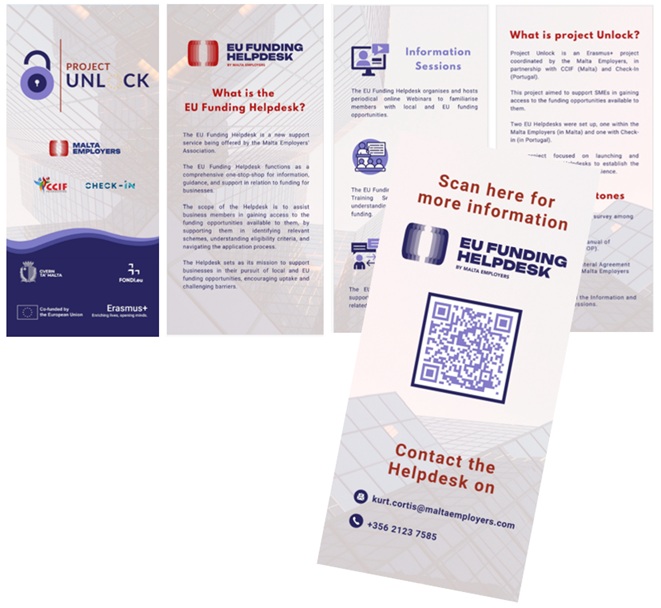
Brochures for promoting the EU Helpdesk and the Manual:
Two brochures were designed, developed, and distributed in this project. The first aimed to promote the EU Helpdesk Manual and raise awareness amongst social partners and NGOs, while the second focused on promoting the newly established EU Helpdesk at Malta Employers, targeting its membership.
Outcome:
50 copies of the brochure promoting the Manual were printed and distributed during CCIF’s in-person event targeting NGOs. In addition, a digital version of the brochure was shared more widely by means of a mailshot, through the support of SGI Europe, reaching its network of national social partners across Europe.
1000 copies of the other brochure were printed. These were initially distributed during the press conference launching the EU Helpdesk. Following the project’s completion, the brochures have continued to feature at all Malta Employers’ in-person events, ensuring ongoing visibility and engagement.
EU Helpdesk Launch Events
Scope of this Particular Action:
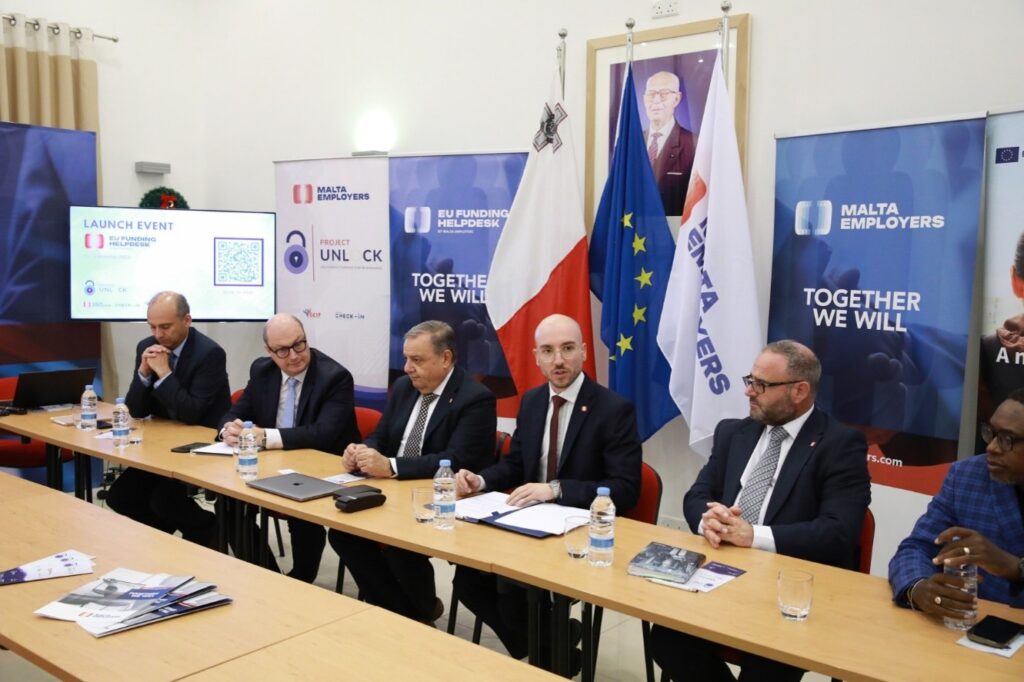
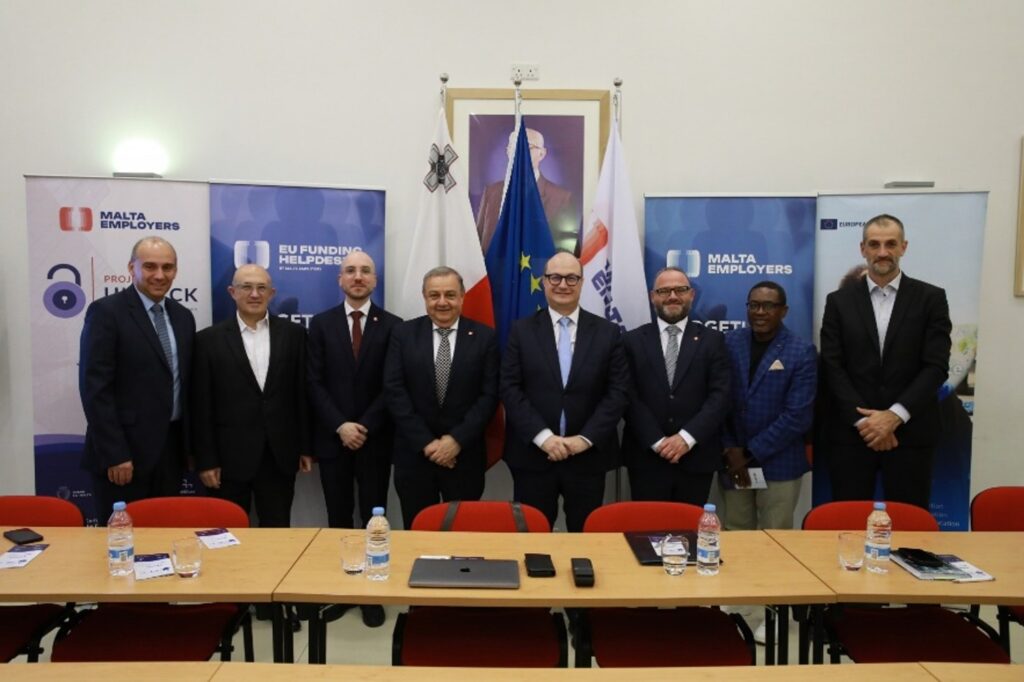
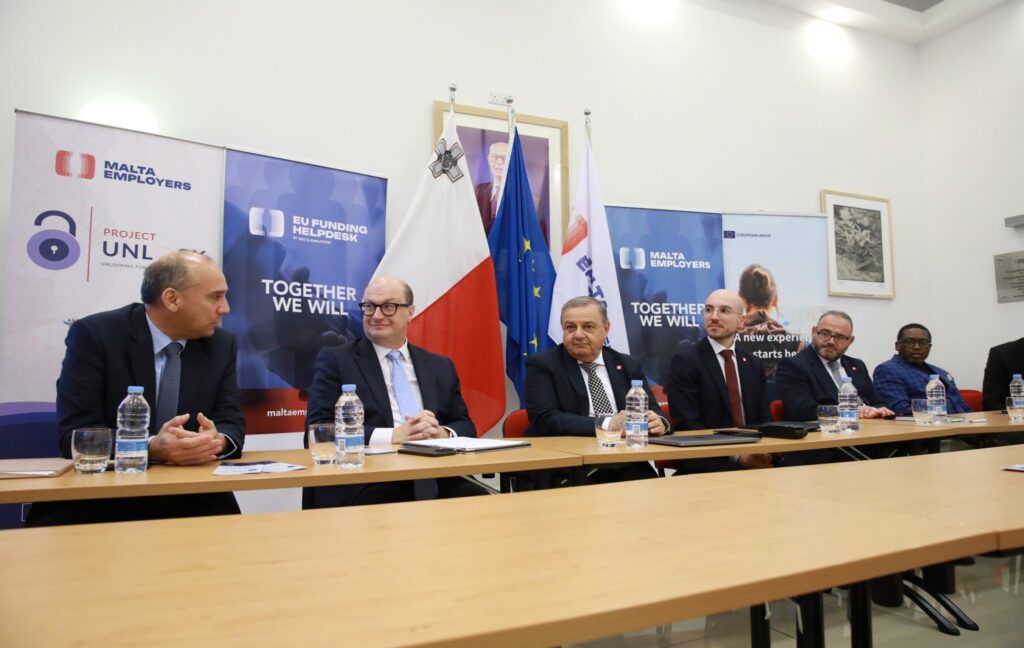
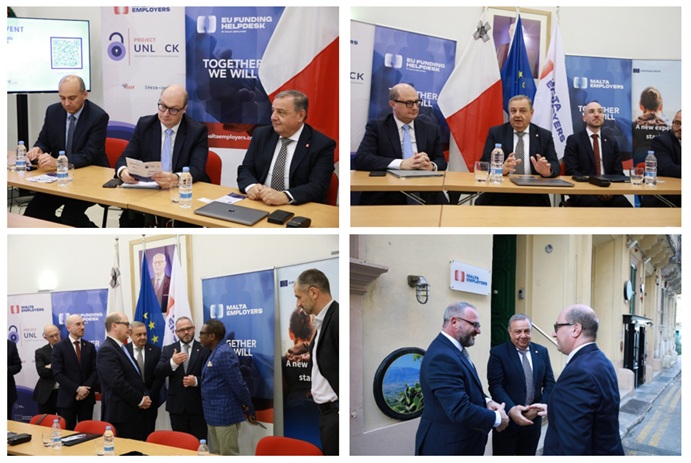
Launching the EU Helpdesk at Malta Employers: The Malta Employers organised a press conference launching the Helpdesk. Mr Raphael Scerri, National Coordinator and CEO of EUPA, and Hon. Dr Stefan Zrinzo Azzopardi, Minister for European Funds, were invited to give a speech during the event. A representant from CCIF was also present during the event as the project manager and EU Helpdesk Coordinator led the press conference.
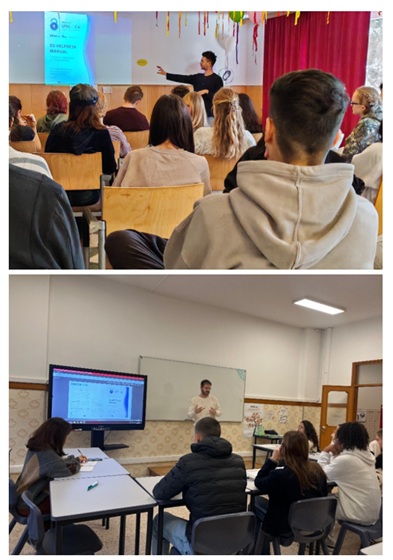
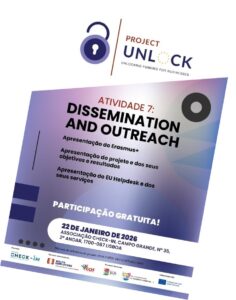
Launching the EU Helpdesk at Check-In: Check-In organised an in-person event to commemorate the launch of the Helpdesk. The event took the form of a formal meeting with 15 participants present and Check-In representatives informing on the newly established support services being offered.
Outcome:
TVM – https://tvmnews.mt/news/il-malta-employers-tniedi-helpdesk-biex-tiffacilita-l-access-ghall-fondi/
Business Now – https://businessnow.mt/eu-funding-helpdesk-launched-as-one-stop-shop-for-business-opportunities/
Malta Invest – https://maltainvest.mt/malta-employers-launches-eu-funding-helpdesk-for-better-funding-opportunities/
Participation Statistics:
In Portugal:
| Title | Launch Event |
| Date | 19.12.2025 |
| Duration | 1h30 |
| Venue | Associação Check-IN, Campo Grande, nº 35, 2º andar, 1700-087 Lisbon (Portugal) |
| Target Group/s | Young people interested in exploring more opportunities within EU funding and NGOs members |
| No. Registered | 24 |
| No. Attended | 15 |
| No. of feedback form received | 15 |
In Malta:
| Title | EU Funding Helpdesk Launch Event |
| Date | 11.12.2025 |
| Duration | 30 mins |
| Venue | Malta Employers, Conference Room, Level 2, South Street, Valletta |
| Speakers/ in attendance | Mr Kurt Cortis (Project Manager)
Mr Ivan Refalo (President, Malta Employers) Mr Kevin J Borg (Director General, Malta Employers) Mr Alec Bvumburah (Founder, CCIF) Mr Raphael Scerri (CEO, EUPA) Mr Brian Schembri (Senion Manager VET, EUPA) Mr Stefan Zrinzo Azzopardi, Minister for EU Funds) |
Advertising Campaign
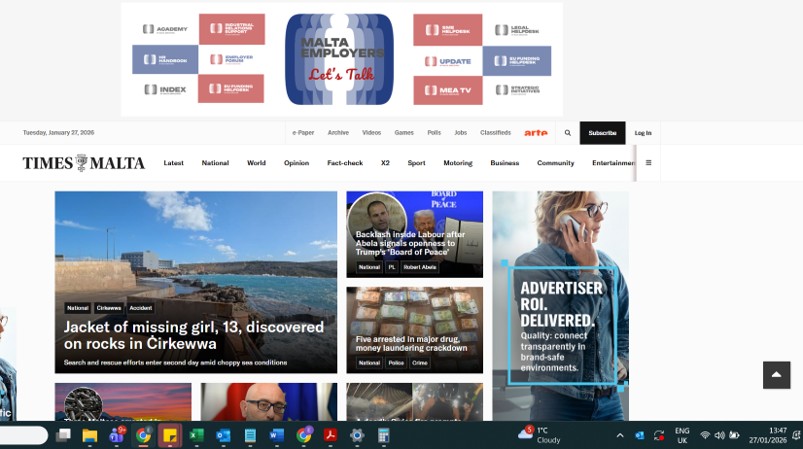
Scope of this Particular Action:
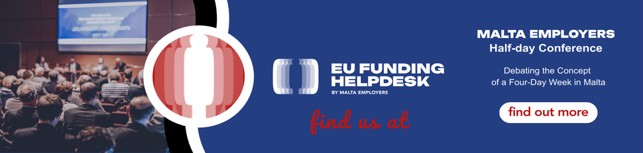
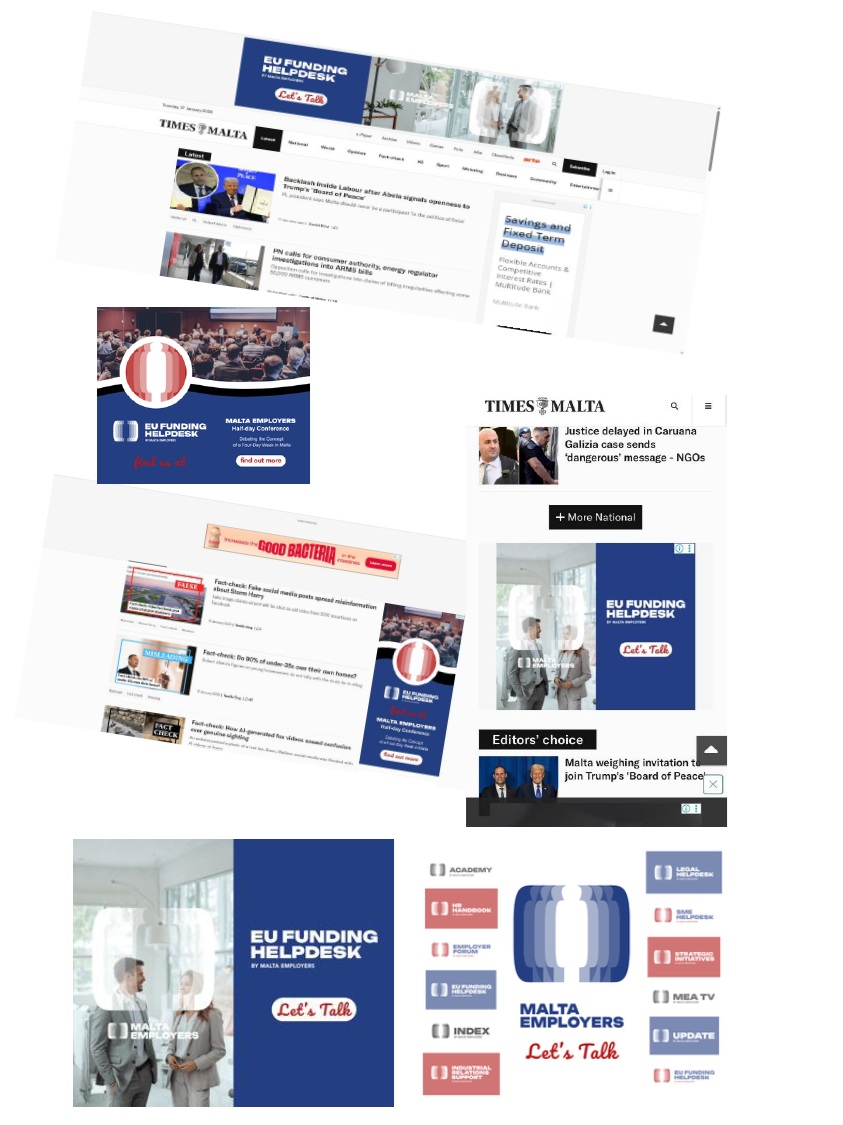
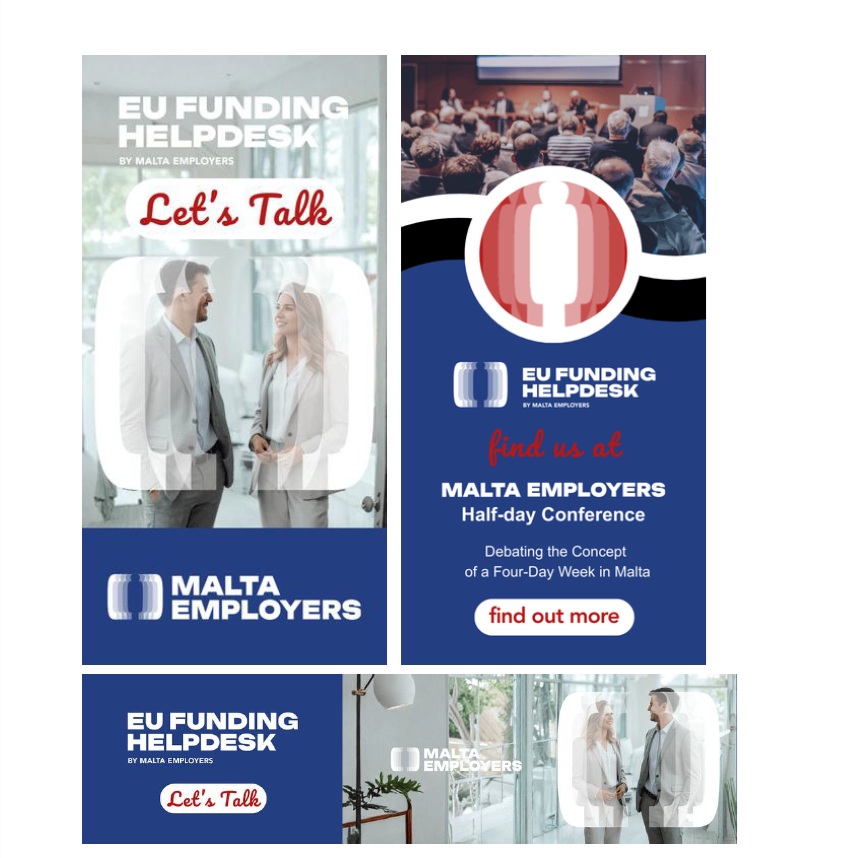
The Malta Employers’ Association commissioned a paid advertising campaign to promote the establishment of its EU Helpdesk. Titled the “Let’s Talk” Campaign, three distinct designs were developed and deployed on the online news portal, Times of Malta.
Participation Statistics:
This paid advertising campaign was placed on TimesofMalta.com, which has an estimated monthly audience of more than 1,537,000 visitors. Based on this figure, it can be estimated that, over the course of a one-week campaign, more than 384,250 users visited the website and had the opportunity to view these advertisements.
Follow-up Actions & Results:
The campaign ran for one week and featured a mix of banner placements and advertising spots across the website, including prominent positioning on the homepage. The adverts highlighted the support service offered by the newly established Helpdesk and encouraged viewers to contact the Malta Employers’ Association for further information.
Physical Presence in other Events
Scope of this Particular Action:
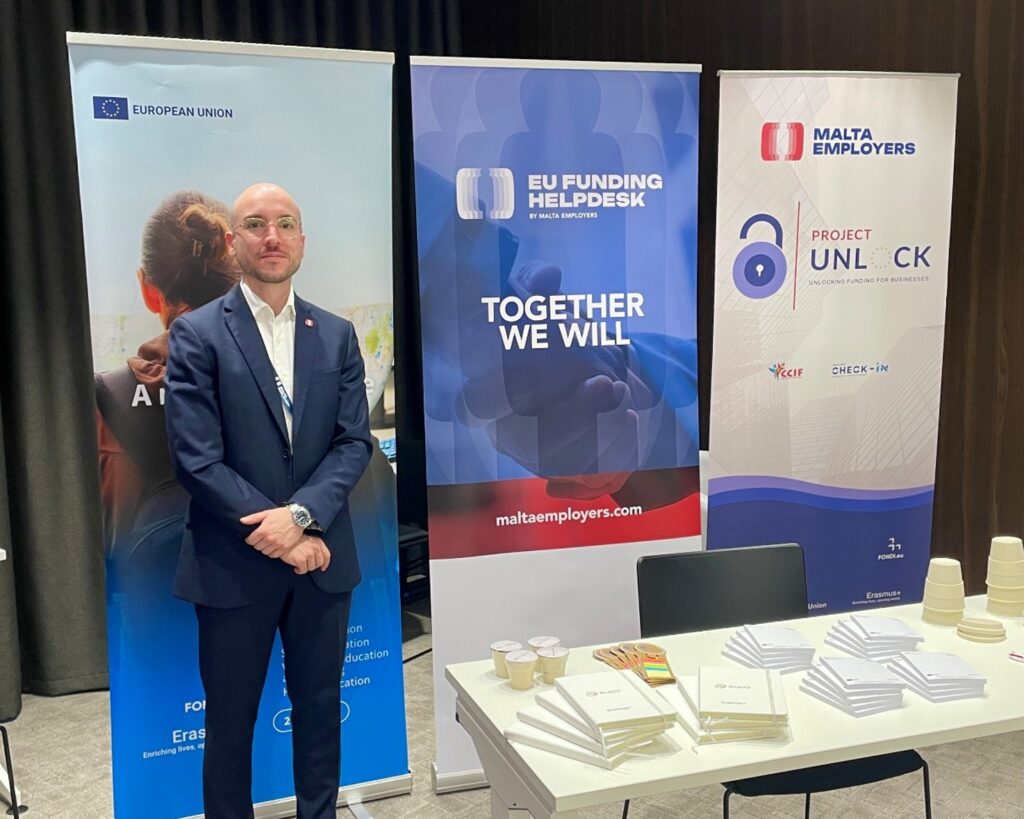
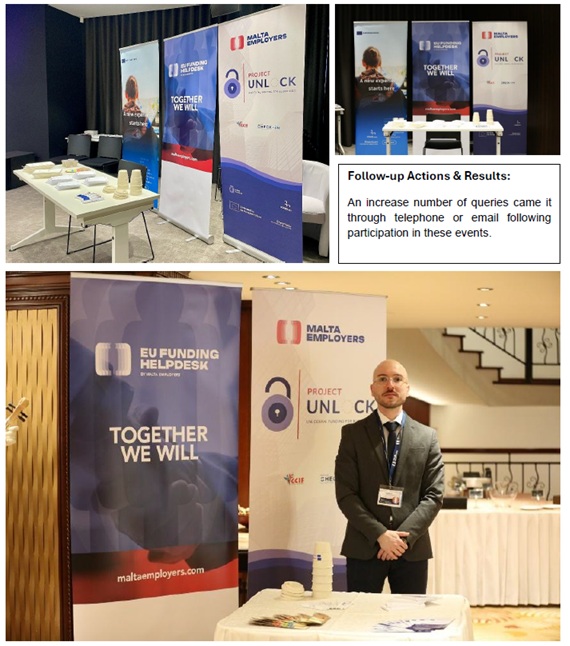
We set up a stand during the Malta Employers’ annual national conference, and another at another Malta Employers conference (although the second was not originally planned as part of the project activities).
Project/Helpdesk Stand present at Conferences: a stand was set up during the Malta Employers’ annual national conference, held as part of SME Week in November. The primary aim of the stand was to promote the project and, most importantly, to introduce and raise awareness about the EU Helpdesk established within Malta Employers. A second stand was later set up at another Malta Employers conference, although this was not originally planned as part of the project activities.
Participation Statistics:
During the Conferences organised by the Malta Employers, attendees varies from 150-250 delegates. Therefore, the reach-out of the initiative promotion always addresses this amount of audience. Besides this, amongst the individual invited delegates, Malta Employers always have HR Managers, and Company Directors, whom will transfer and disseminate the information gathered with their employees and beyond.
Outcome:
Conferences brings together a large number of Malta Employers’ members to discuss topical issues, making it an ideal platform to engage directly with the target audience and maximise visibility of the Helpdesk.
Events promoting the Manual to NGO’s
Scope of this Particular Action:
Three events promoting the Manual to NGOs and social partners: Each partner organised an event to promote the EU Helpdesk Manual to other NGOs and social partners. The scope of this project initiative was to encourage other organisations to establish an EU Helpdesk within their own organisation to support their members further.
Check-in and CCIF each held an in-person event inviting several local actors, NGOs, and other stakeholders, raising awareness of its content and practical applications. The Malta Employers gave a presentation during SGI Europe’s Internal Market Board meeting, which included various national social partners from across Europe.
Check In
The main objective of the session was to promote the project Manual among local actors, NGOs, and other stakeholders, raising awareness of its content and practical applications. The session aimed to provide participants with a clear understanding of how the Manual can support their activities, facilitate collaboration, and offer guidance for engaging in relevant initiatives.
Through presentations and discussions, attendees were encouraged to explore the Manual’s resources, ask questions, and consider how its guidance could be applied within their own organizations or communities. By the end of the session, participants were expected to have a better understanding of the Manual’s value, practical applications, and potential impact on local projects.
CCIF
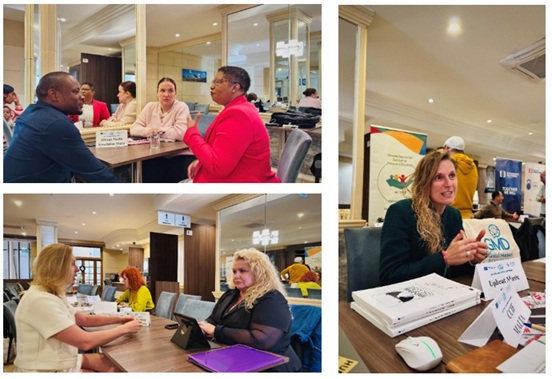
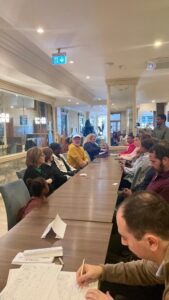
On November 29th, CCIF organized a dissemination event at Kennedy Nova Hotel to promote funding opportunities associated with the *Unlock* project following the Launch of the Funding Desk.. The event was deemed successful, with attendees actively participating and engaging in meaningful exchanges. CCIF encourages continued connection and looks forward to future updates and events related to the project.
Every organisation had a display space for showcasing their work. The event was attended by 22 participants Annalindh Foundation Malta members and non-Members and featured presentations, discussions, and networking opportunities. The initiative aimed to inform and engage the community regarding available funding support through the *Unlock* project.
Outcome:
In line with the project objective to promote the Manual as a tool for other organisations to set up their own EU Helpdesks, the Malta Employers planned a second dissemination initiative with SGI Europe targeting their members, which include national social partners across Europe.
SGI Europe’s newsletter: The PMT wrote an article to feature in their newsletter which was sent by mailshot to all their members and uploaded online on their website for anyone to access. The article was titled “Malta Employers Association launches an EU Funding Helpdesk and practical manual”.
Participation Statistics:
| Title | Physical meeting targeting NGOs |
| Date | 29/11/2025 |
| Duration | 10:00 – 13:00 |
| Venue | Kennedy Nova Hotel, Gzira, Malta |
| Target Group/s | NGOs |
| No. Registered | 22 |
| No. Attended | 22 |
Information Dissemination - MEATV
Scope of this Particular Action:
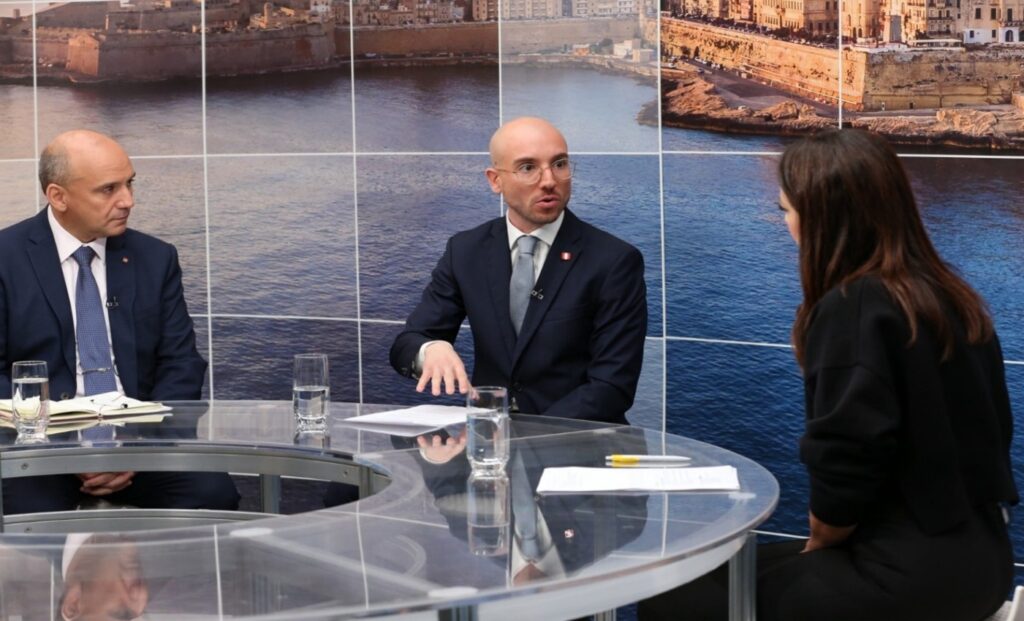
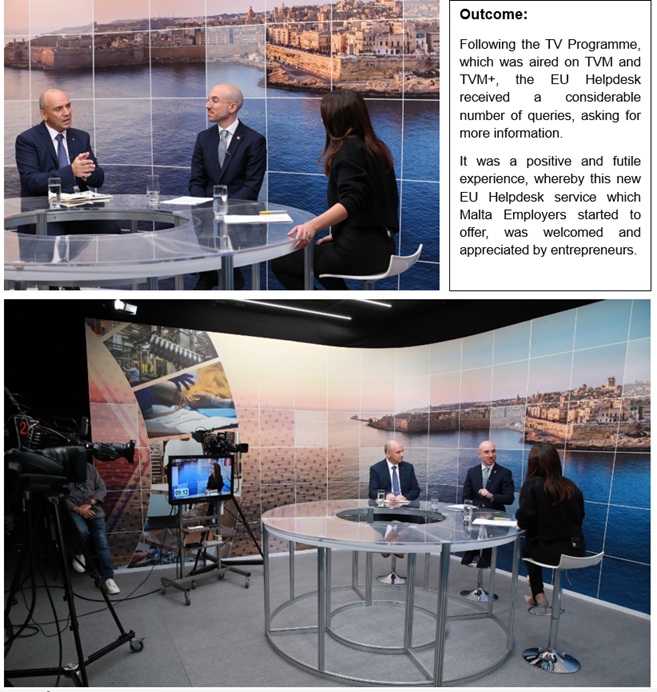
Interview on MEA TV:
An episode within the 2025 season was dedicated specifically to showcasing the establishment of the EU Helpdesk at Malta Employers. The interview was led by Mr Kurt Cortis, Project Manager of Project Unlock and now the designated EU Helpdesk Coordinator, who outlined the development of the Helpdesk and the key efforts undertaken throughout the project. The episode also featured a guest speaker, Mr Raphael Scerri, National Coordinator and CEO of EUPA.
YouTube link to access the whole programme: https://www.youtube.com/watch?v=m95jbpzn67Q
Participation Statistics:
These MEATV Programmes, aired on Malta’s National TV Stations, are being watched by over than 20,000 viewers every week, according to the Broadcasting Authority surveys.
Partner Meetings
Scope of this Particular Action:
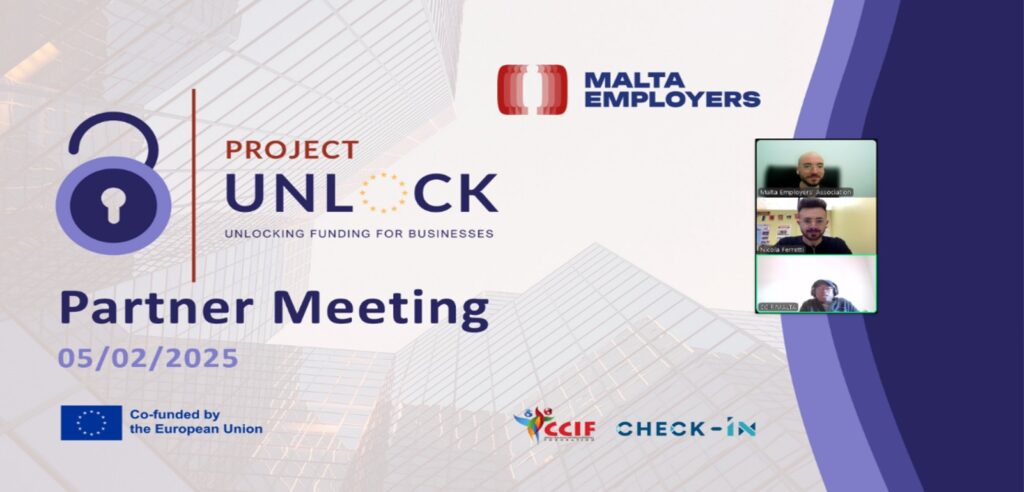
Multiple partner meetings were organised between all project partners in between each activity, to review progress, assess contributions, and plan upcoming activities. These meetings ensured continuous alignment, shared ownership, and a coordinated approach to implementation, reinforcing that the project was delivered through a collective effort rather than in isolation.
A partner meeting was called to discuss the upcoming Research Activity. During the meeting we discussed the logistics of this activity, brainstormed some common questions to answer, and planned for it to be implemented by end of March 2025. Post meeting, Malta Employers to sent the baseline questionnaire to CCIF & Check-in, for them to include personalised questions based on their different target groups and potential services to be offered.
Prior to the TPM in Portugal an online partner meeting served to discuss and plan logistics and other details for our upcoming TPM. Check-in was to host, whilst CCIF and Malta Employers were to travel. Dates were set and tasks per partner were agreed. Check-in, in preparation, created an Infopack with information for travelling participants and also commissioned a roll-up banner.
After the TPM, another partner meeting was called to finalise the main points discussed in the TPM and finalising the details for Malta Employers to create the MOP document.
Outcome:
Partners first discussed the upcoming task, to develop 3 project webpages promoting the newly established EU Funding Helpdesks, during a partner meeting. The meeting served to brainstorm the essential information to promote on the websites. Subsequently, partners were required to plan, outline and develop the content for their new webpage.
An online partner meeting was also held. Partners were informed of the upcoming project activities: no. 7 & 8 Three Information Sessions, Three Training Sessions. With regards to the info session, they were informed that the event could be held online and that evaluation was a requirement.
Following the meeting, partners were to advise the PMT on how they plan to organize these sessions. The PMT in return created a common attendance sheet, evaluation form, and reporting template, indicating the supporting documents needed.
After the TPM, another partner meeting was called to finalise the main points discussed in the TPM and finalising the details for Malta Employers to create the MOP document.
Participation Statistics:
A total of six Partner Meetings were held throughout the project. Attendance mainly included 2 representatives from Check-In (Portugal), 1 representative from CCIF (Malta) and 1 representative from Malta Employers (Malta).
Project Dissemination
Scope of this Particular Action:
Project Dissemination:
Project dissemination pertains to all planned dissemination initiatives as listed within original the application. The aim of such, initiatives is to promote either a specific output, project activity or the project in general.
Summary of Project Dissemination efforts:
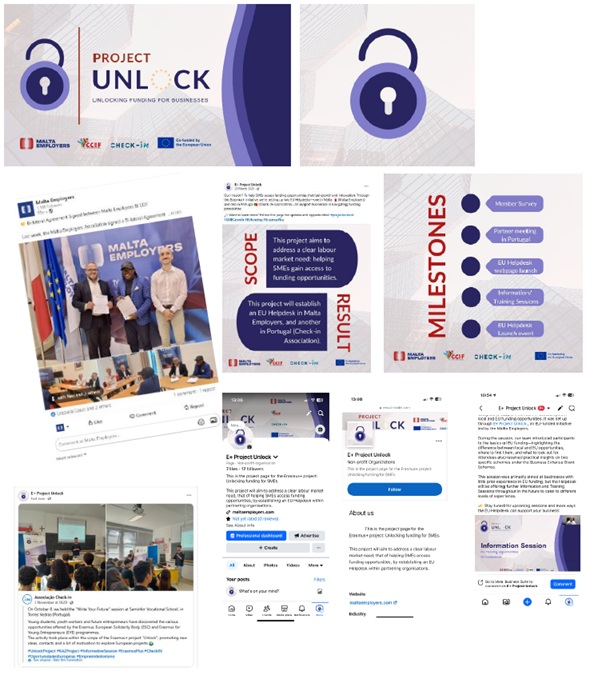
- Project Pages on Facebook and Linkedin
- Signing Ceremony and Press Release for Bi-Lateral Agreeme
- Project Roll-up and EU Helpdesk Roll-up Banners
- Interview on MEA TV
- Brochures for promoting the EU Helpdesk and the Manual
- Two Launch Events
- Paid Advertising
- Project/Helpdesk Stand present at Conferences
- Three events promoting the Manual to NGOs and social partners.
- SGI Europe’s newsletter
Partner Dissemination:
Each partner was responsible for carrying out informal dissemination activities throughout the project. This involved partners promoting the project using their existing communication channels and tools. Informal dissemination included actions such as posts on organisational social media accounts, internal newsletters, email signatures, blog posts, and any other mention or promotion of the project and its activities.
The full details of the project and partner dissemination activities is found the PMT Final Report.
Participation Statistics:
Project Social Media Pages: the LinkedIn page has 128 followers and the Facebook page has 67. One post on the training delivered by Malta Employers on LinkedIn reached 163 impressions and on 235 on Facebook.
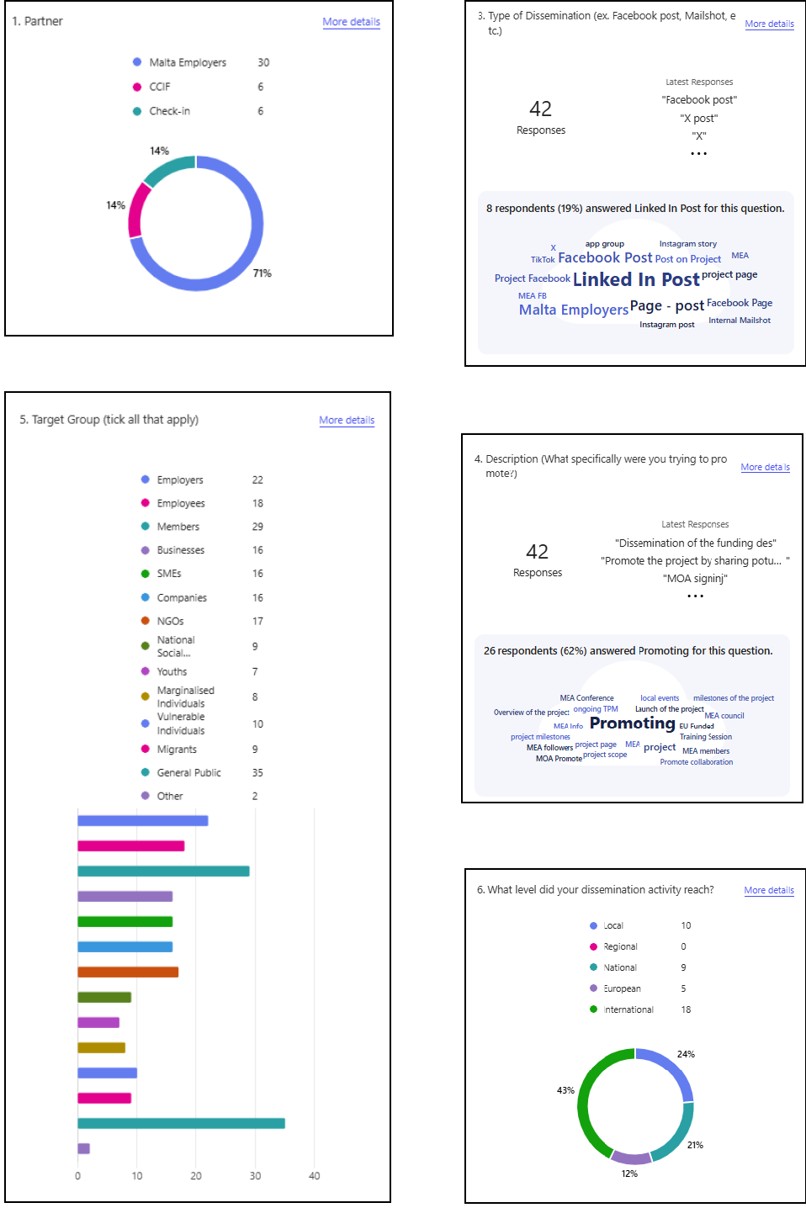
Partner Dissemination: In total, 42 entries were recorded in the Dissemination Register. The majority of these consisted of social media posts published through the partners’ official channels, across four platforms: Facebook, Instagram, LinkedIn, and TikTok. Ultimately, since most informal dissemination initiatives took place online, the project successfully reached audiences beyond national boundaries.
Below is an overview of the responses recorded:
Partner Evaluation Report & PMT
Scope of this Particular Action:
The Project Management Team evaluated the project particularly by developing two Reports:
- Partner Evaluation Report was developed based on the feedback of partnering organisations. This report presents the partners’ analysis of their expectations and experiences throughout the project, including their assessment of the impact resulting from the implementation of Project Unlock.
- PMT Final Report presents an evaluation of the successful implementation and completion of the Unlock project. It reviews the key reports and project documents, while summarising the activities undertaken and outputs delivered throughout the project. More specifically it outlines and reviews the project management efforts, the project’s activities, the project dissemination and partner dissemination.
The Partner Evaluation Report
The PMT developed the Partner Evaluation Report based on the feedback of partnering organisations. This report presents the partners’ analysis of their expectations and experiences throughout the project, including their assessment of the impact resulting from the implementation of Project Unlock. Particularly, Partners were required to complete a baseline questionnaire at the start of the project and another at the end of the project. By comparing partners’ baseline and post-project data to measure progress and improvements in knowledge, capacity, and collaboration, this process helped identify key strengths, challenges, and areas for improvement in the implementation of project Unlock, while generating practical insights and lessons learned.
Partners were required to complete a baseline questionnaire at the start of the project and another at the end of the project. By comparing partners’ baseline and post-project data to measure progress and improvements in knowledge, capacity, and collaboration, this process helped identify key strengths, challenges, and areas for improvement in the implementation of project Unlock, while generating practical insights and lessons learned.
Most questions were structured using a Likert scale, enabling respondents to indicate their level of agreement or disagreement. This approach allowed the project management team to systematically measure changes and track progress over the course of the project’s implementation.
The PMT Final Report
The PMT created the PMT Final Report, outlining and reviewing the following aspects:
- Project Management efforts
- Member Research and the development of the Research Report
- TPM in Portugal and the development of the MOP and Manual
- Bi-lateral Agreement
- ‘Updating of Websites’ activity
- Information and Training Sessions and the development of the Sessions Report
- Project Dissemination
- Partner Dissemination
This document presents an evaluation of the successful implementation and completion of the Unlock project. It reviews the key reports and project documents, while summarising the activities undertaken and outputs delivered throughout the project. It also highlights the significant efforts of the PMT in ensuring effective project management through planning, monitoring, communication, and quality assurance, as well as the contributions of all partners in delivering activities and outputs to the required standards. Finally, the evaluation outlines the benefits and added value created for the members of the partner organisations, demonstrating how the project has provided practical support, strengthened knowledge, and created lasting opportunities beyond the project’s lifetime.
Outcome:
The consortium expressed a high level of experience in implementing EU Funded projects, with all respondents choosing ‘agree’ or ‘strongly agree’ in the baseline questionnaire, for having dedicated personnel and for having sufficient internal resources to support EU project implementation.
Nevertheless, all partners agreed that they still gained further experience, as well as strengthened their internal resources, capacity and ability to support EU project implementation, having participated in project Unlock.
Question focused specifically on Erasmus+ projects, two thirds of partners having numerous participation opportunities, both as lead and as partners under their belt. Nevertheless, while it was Malta Employer’s first attempt at participating in and leading an Erasmus+ project, they have led and participated in other EU funded projects under different funding programmes.
Ultimately, all partners were in agreement that having participated in project Unlock, they have now gained or strengthened their experience in participating in the Erasmus+ programme.
All partners confirmed that they understood the objectives of the project, including their individual roles and responsibilities in the project since they were clearly communicated by the project management team. In fact, all partners were confident that they can successfully manage their project responsibilities in a way to effectively contribute to the project.
The two Reports are attached to this application.
Follow-up Actions & Results:
Through this report, one can safely say that the project Unlock has successfully achieved its objectives, delivering clear improvements in the knowledge, capacity, and operational effectiveness of all partner organisations.
The comparison between baseline and follow-up results showed that partners particularly strengthened their experience in EU-funded projects, enhanced their internal resources, and improved their understanding of EU funding mechanisms. Clear communication of roles and objectives enabled efficient project implementation, while strong collaboration and effective problem-solving reinforced trust among partners.
A key outcome of the project was the increased ability of partners to support their members in accessing EU funding. Through training, structured processes, and the establishment of EU Helpdesks, partners are now better equipped to provide guidance and disseminate opportunities more effectively.
Most importantly, partners have successfully integrated the Helpdesk services into their organisations and committed to continuing them in the coming years.
Overall, Project Unlock has created lasting impact by strengthening both organisational capacity and transnational partnerships. Its sustainable outputs and the partners’ willingness to engage in future initiatives highlight strong potential for continued collaboration and long-term benefits for their members.